
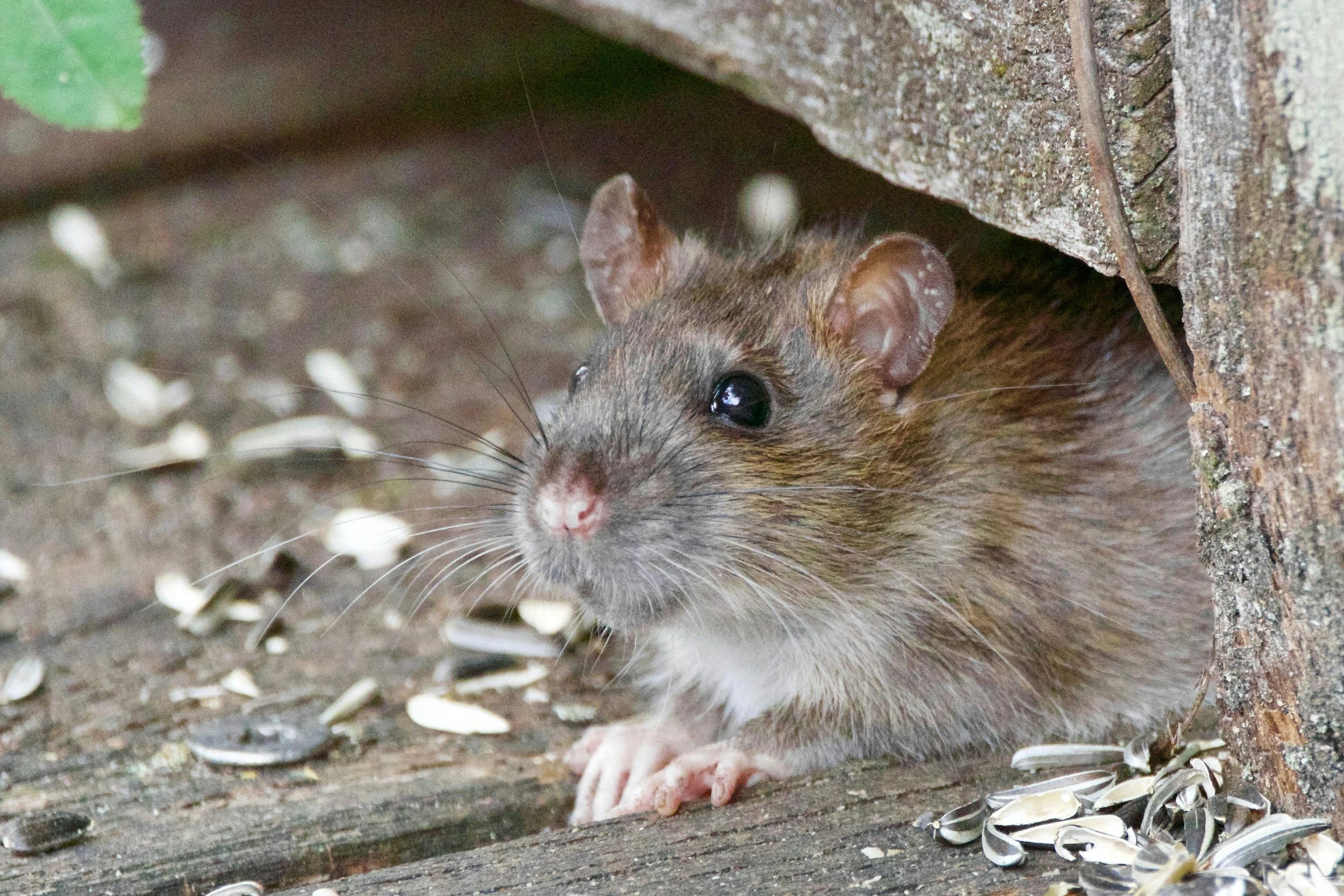
The Meaning of Rats in the Bible: Plagues, Pests, and Purity
The topic of rats comes up frequently in conversation. They are significant culturally, socially and economically due to the huge amount of damage they cause to property. They are evocative, bringing about strong emotions in many people as they are associated with dirt and disease.
Many people look for the meaning of rats in the Bible through spiritual curiosity or for dream interpretation. Looking at how the scripture handles these rodents puts them in context from a societal, religious and existential point of view. This post on our blog has more detail on rats in our culture, mythology and dream.
What Does The Bible Say About Rats?
In Hebrew the word akbar was used as a catch-all term for several destructive rodents, including rats, mice and jerboas. In the Old Testament, these are primarily discussed in two distinct contexts. These are ritual impurity and agricultural devastation. This emphasizes the importance of cleanliness as a route to holiness for the Israelites. This association of rodents with disease and destruction has led to deep seated fear in many. This is evident throughout our culture and media with prominence in films, television and books. Rodents also feature powerfully in conversations and dreams. Read more about dreaming about rats in our blog post here.
1. The Laws of Dietary Purity
In the books of Leviticus and Deuteronomy, the Mosaic Law outlines strict rules regarding clean and unclean animals. In Leviticus 11:29, rodents are grouped along with 'creeping things' that move along the ground. These include lizards, geckos, and other small creatures under the Hebrew term sheretz.(1). They were considered to be unclean ritualistically. This meant that the Israelites were forbidden from eating or touching them. This was considered to protect them both spiritually and hygienically.
2. The Plague of the Philistines
The most prominent narrative involving rodents occurs in 1 Samuel 6. After the Philistine's captured the Ark of the Covenant, their cities were struck by a devastating plague of tumours. This was alongside "mice that mar the land". (2) The rulers of the Philistine's created five golden images of tumors and five golden rats as a guilt offering.
This demonstrates the perceived immense destructive power of rodents as a meaning of rats in the Bible. It was known how a plague of rats could destroy a communities food supply, so creating suffering and disorder. They still have the same reputation today.
3. Idolatry and Abomination.
Isaiah 66:17 condemns those who engage in pagan or idolatrous rituals. This specifically mentions people who eat "the flesh of pigs and vermin and rats". This links the consumption of rodents to spiritual rebellion and defilement. This is another meaning of rats in the Bible (3)
4. Creation: Rodents and God’s Order.
Genesis 1:24-25 describes the creation of animals. This includes those that move along the ground such as rats and other rodents. "And God said, 'Let the earth bring forth living creatures according to their kinds: livestock, creatures that move along the ground.' The clear indication of this is that God created rats and mice as part of the greater order and so they have purpose within creation.
Although rodents are often only depicted in a negative context they are essential for to support ecological systems. They form part of the food chain, are food for many predators and will consume rotting food , effectively recycling it. Their burrows aerate the soil and through eating fruit they disperse seeds widely.
Conclusion
Rodents in Bible are associated with disease, damage and destruction. They were created by God and are part of order. This points us towards purity and spiritual cleanliness as a route to becoming closer to God.
References
(1) https://sermonindex.net/bible/wordstudy/LEV/11/29/
(2) https://www.biblegateway.com/passage/?search=1%20Samuel%204-6&version=ESV;KJV
(3) https://biblehub.com/topical/r/rodents.htm
Dr Toby Bateson for Hammer Technologies